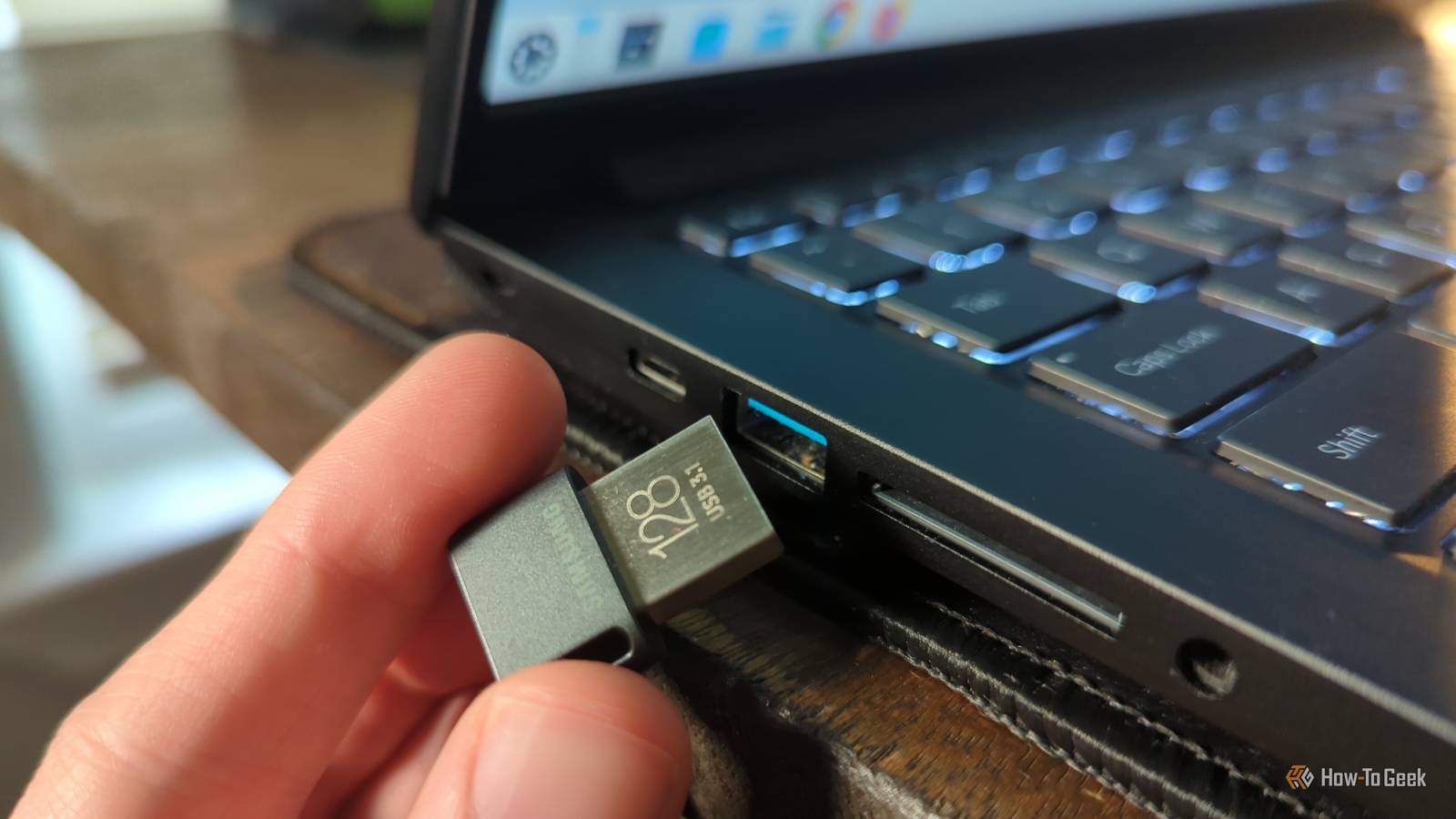
The topic Never underestimate the bandwidth of a USB drive full of files is currently the subject of lively discussion — readers and analysts are keeping a close eye on developments.
This is taking place in a dynamic environment: companies’ decisions and competitors’ reactions can quickly change the picture.
Physically carrying media between computers, known as “sneakernet,” is one of the oldest “networking” protocols in that it lets me share files between machines. Despite the availability of cloud storage like Google Drive or Dropbox, I still use sneakernet in some situations.
There’s an old joke in the computer industry: “Never underestimate the bandwidth of a station wagon full of magtape hurtling down the highway.” The fact that this joke references magnetic tape will tell you approximately how old it is. Or perhaps that it mentions station wagons. An updated version might read something like: “Never underestimate the bandwidth of an SUV full of USB sticks.”
While cloud computing services are popular and I find them handy, there are times when I want to transfer a large file or a series of files from one machine to another. Last year, I discovered that the battery on my phone was swelling (this was just after I’d returned from a trip by airplane). I rushed out to buy another one, but my contacts and photos were still on the old device. Samsung has a utility to transfer data and settings from one device to another wirelessly, called Smart Switch, but I think it could have gone a lot faster if I’d plugged a USB-C cable into both the old and the new phone.
Physical media is just faster and more reliable than wireless transfers. If you’re transferring files between devices, files don’t have to go to and from a remote server this way.
The one downside to a sneakernet in networking terms is its latency. If you don’t have the media in your hand, you have to either find time to fetch it or wait for it to arrive if you have it shipped.
From pigeons to potatoes — how well do you know the strangest ways humans have ever moved data around?
In 2009, a South African company famously raced a carrier pigeon against ADSL to transfer 4GB of data. How did the pigeon fare?
RFC 1149, a real (if tongue-in-cheek) internet standard published in 1990, proposed transmitting IP data using which unusual method?
Amazon’s Snowmobile service physically transports data to the cloud using what vehicle?
During the Cold War, the US Navy experimented with pre-loading nuclear submarines with data using what physical method before long deployments?
The ‘IP over DNS’ technique is sometimes used to do what sneaky thing on restricted networks?
What is the informal engineering principle sometimes called the ‘sneakernet theorem’ or ‘FedEx theorem’?
In 2013, researchers successfully transmitted data using which bizarre, household-safe medium to demonstrate alternative networking concepts?
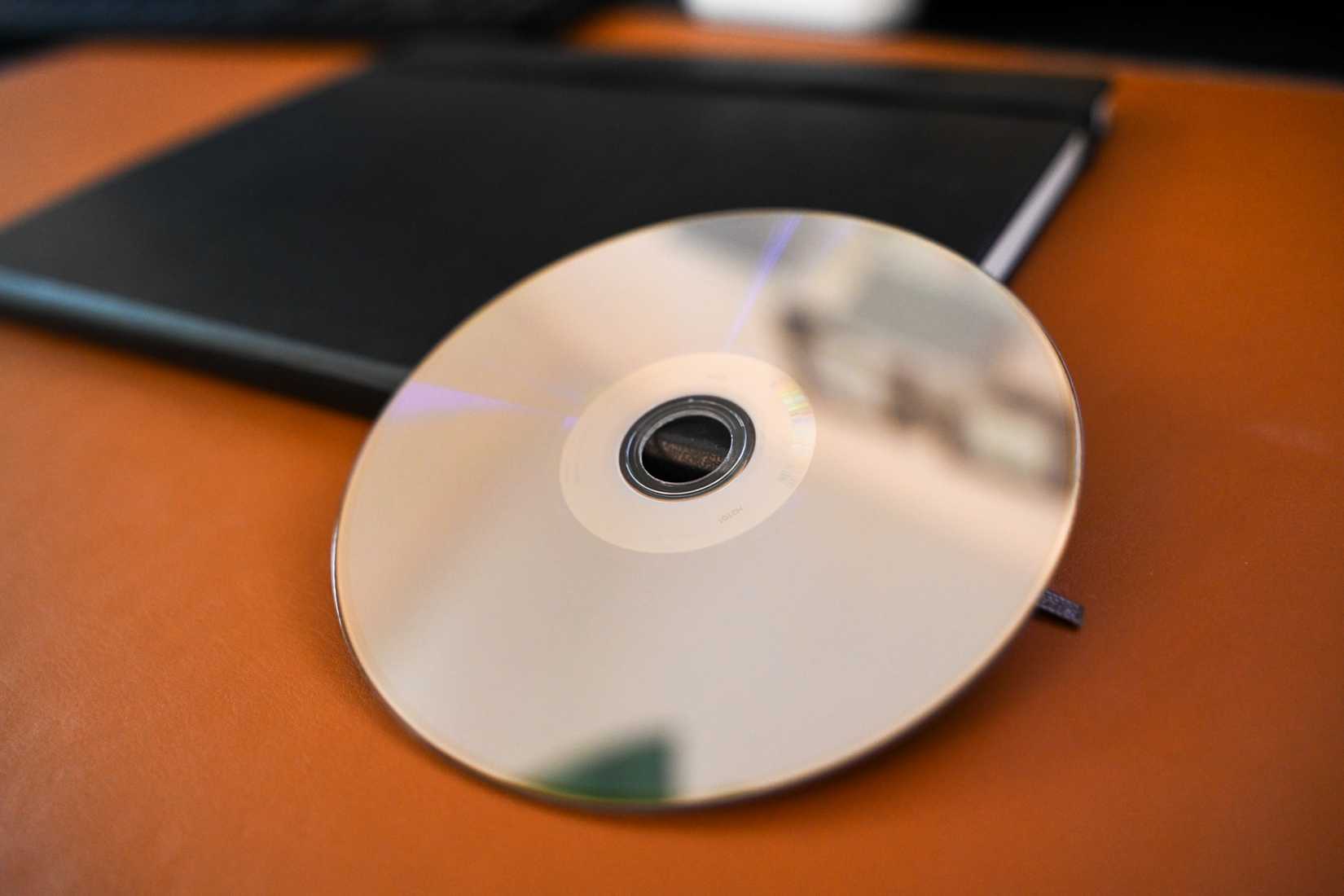
Physical media distribution of movies, music, books, and games could be considered a sneakernet. You either head to a retail store or order online, and you take the item home or have it delivered to you. Again, the drawback of physical media distribution is that you have to have a physical copy of the media to watch or listen to it.
Streaming offers instant gratification, but I can see the appeal of building a physical collection. There’s just something about flipping through shelves of vinyl records, CDs, or books. I still have the first two DVDs I ever bought: Pink Floyd: The Wall and Monty Python and the Holy Grail.
A satirical comedic take on the legend of King Arthur, Monty Python and the Holy Grail sees the legendary British comedy troupe portraying Arthur and his Knights of the Round Table, who have embarked on a quest to find the Holy Grail. Graham Chapman, John Cleese, Terry Gilliam, Eric Idle, Terry Jones, and Michael Palin all-star in the film as Arthur and his knights, also playing multiple other roles in the supporting cast of characters.
While Holy Grail and the other Python TV shows and movies have made it to streaming, The Wall apparently hasn’t, or at least the movie adaptation. It seems out of print on physical media, at least in America. Given the popularity of Pink Floyd’s back catalog, I can only assume that the movie is tied up in some licensing snarl. This is the sort of thing that drives movie fans to keep building physical collections.
Streaming movies also lack most of the special features of DVDs.
I also don’t want to buy another copy of a movie I already own just to watch on a tablet on a trip. I can use Handbrake to rip or “transcode,” as Handbrake puts it, a movie in a format that it will take.
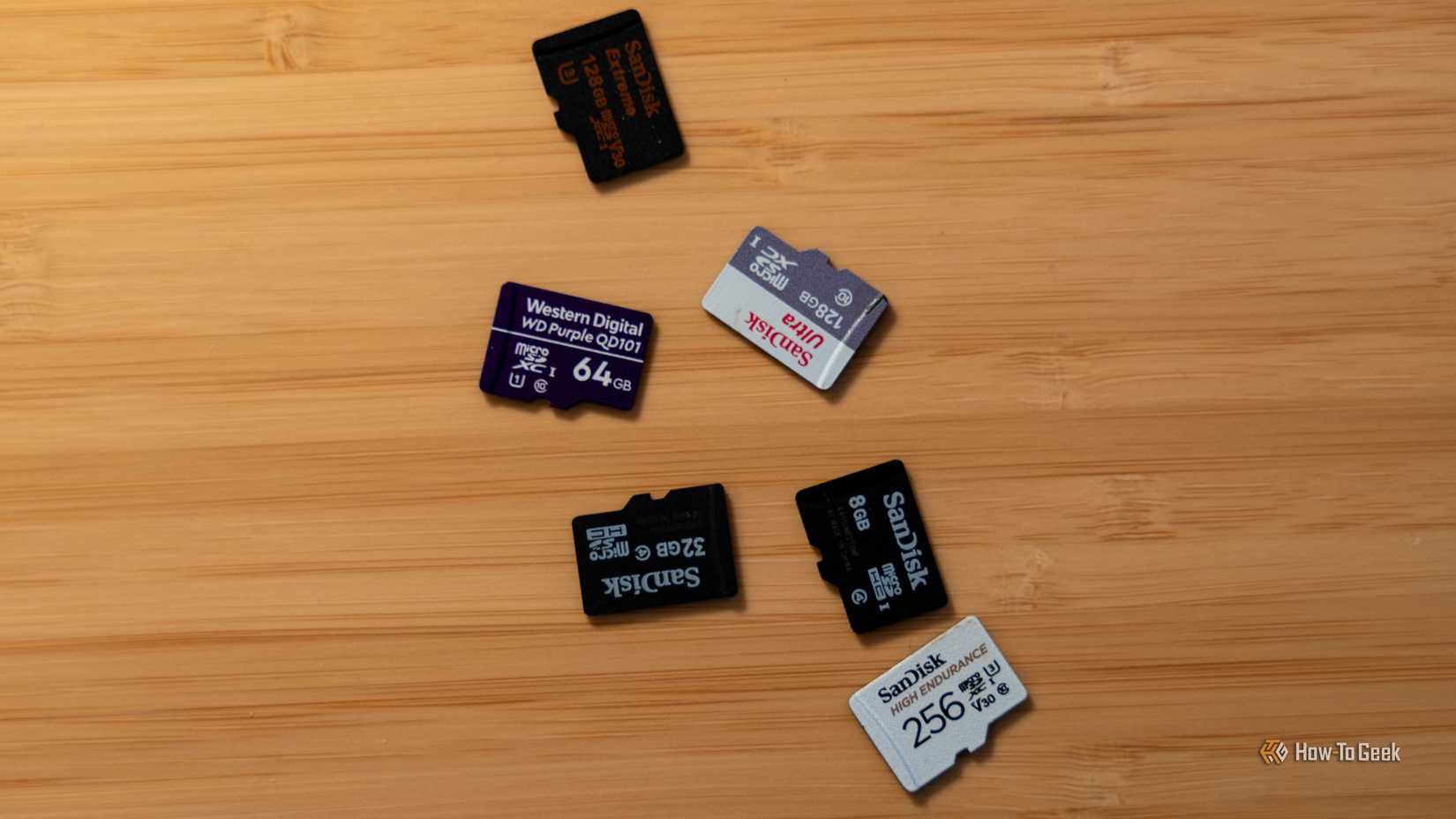
Since I have my camera app store my photos on the microSD card, which budget phones still support, when I had to transfer my photos to the new phone, all I had to do was pop out the card from the old one (and make sure that I didn’t drop it) and then put it in the new one. That was easy and faster than waiting for my Google Photos pictures to download from the cloud.
I prefer testing Linux distros in virtual machines because I can create new ones easily. I also don’t need to reboot. But physical media is still the only way to use Linux on the “bare metal,” or on actual hardware. That’s easy enough to do. I can just download the ISO file and extract it to a USB drive. I’ll just need to tweak the UEFI settings so that it will check for the USB stick before the SSD. I keep a copy of RescueLinux on a spare USB drive to deal with any unexpected boot problems. Ventoy lets me run multiple distros from one USB stick.
Even though cloud storage and streaming are ubiquitous, I don’t always want to depend on network connections and streaming license agreements. This is why I still rely on the oldest computer network in existence: my hands and feet. And the odd USB thumb drive.