The topic How to Build a Classic Wooden Bench in a Weekend (FREE Beginner Plan Inside) is currently the subject of lively discussion — readers and analysts are keeping a close eye on developments.
This is taking place in a dynamic environment: companies’ decisions and competitors’ reactions can quickly change the picture.
If you’ve been wanting to dip your toes into woodworking but feel completely intimidated by crazy joinery or massive tool lists, you are in the perfect place.
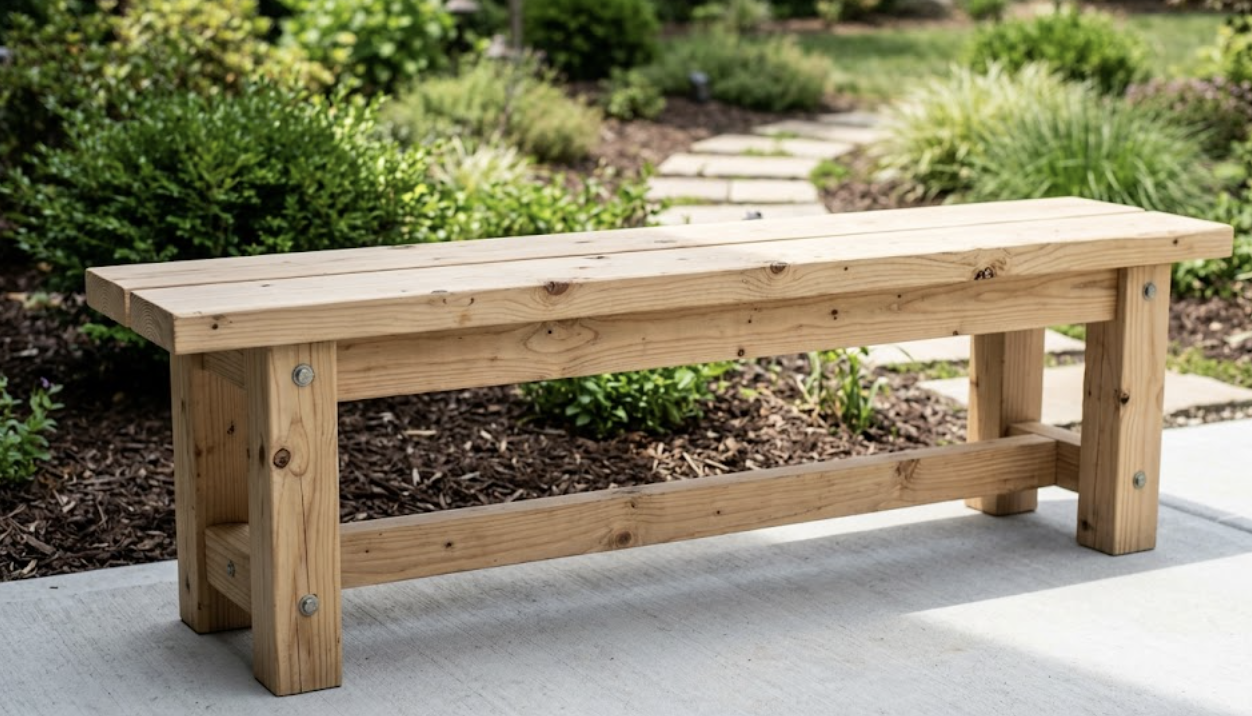
Today, we are building a rock-solid, 48-inch classic wooden bench. It’s perfect for the entryway, the foot of your bed, or out on the patio. Best part? You can easily knock this out in a Saturday afternoon, even if your woodworking experience is pretty much zero.
(We also have a free printable PDF blueprint for this build! Grab that at the bottom of the post to keep on your workbench).
Let’s grab a cup of coffee, fire up the saw, and get into it!
Don’t worry, you won’t need a massive workshop for this. Keep it simple.
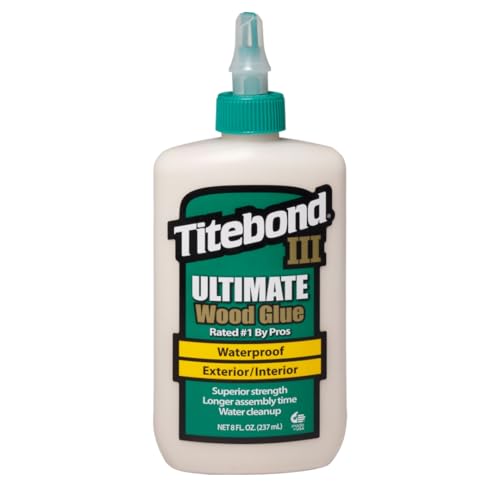
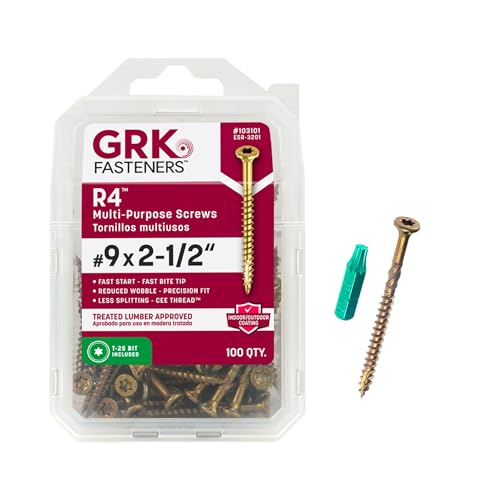
For this bench, don’t overthink the materials. The lumber gives it shape, but the screws and glue are what keep it from getting wobbly later.
If there’s even a chance this bench ends up on a porch, patio, mudroom, or entryway, I’d start with outdoor-friendly screws and good wood glue. It’s a small upgrade that helps the whole project hold up better over time.
Take your time here. If your cuts are accurate, the assembly is going to feel like building with giant Lego blocks.
Hate doing the math for your lumber? Before you tackle your next build, be sure to try out our WoodWizard Pro Cut List Generator! Just plug in your parts, and it automatically calculates the most efficient way to map out your boards so you save money at the lumber yard and minimize your scrap wood.
We’re going to build the two sides of the bench first. Grab two of your Legs (B) and one Short Stretcher (E).
Lay the legs flat on your table. Put the short stretcher horizontally between them, about 3 or 4 inches up from the bottom.
Now, take one of your Side Supports (C). This piece acts like a little hat that sits horizontally right across the very top of your leg frame.
You want this board to sit perfectly flush (totally level) with the top of your legs. If it’s bumpy here, your seat will be wobbly later! Slap some glue down, pre-drill, and drive your screws straight through the side support and down into the top of the legs. Do this for both frames.
(Note: If you’re looking at our conceptual 3D diagram, you might see a long blue board running right under the top boards. Just ignore that part. They’re totally optional. Stick to this text guide, and your bench will be structurally perfect).
Time to make it look like a piece of furniture! Stand your two leg frames upright.
Take your two Long Stretchers (D) and position them between the frames. You want them to line up perfectly with the short stretchers you attached in Step 1. Grab a buddy to hold the frames steady, or use some clamps if you’ve got ’em. Glue the ends, pre-drill, and drive your screws through the legs and into the long stretchers. Boom. You’ve got a solid base.
You’re in the home stretch! Take your four Top Boards (A) and lay them flat across your frame. They should rest directly on top of the Side Supports.
You built a bench! Now it’s time to make it pretty. Grab your sander with some 120-grit paper and smooth everything out. Pay extra attention to the top edges and corners so nobody catches a splinter when they sit down. Follow up with 220-grit paper to make it buttery smooth.
Finish it off with your favorite stain, or paint it a fun accent color. If it’s going on the porch, don’t forget two coats of exterior polyurethane to protect your hard work.
Don’t rush this part. A bench can be built perfectly and still feel cheap if the edges are sharp or the seat feels rough. I like starting with 120-grit to knock down the rough spots, then finishing with 220-grit. A sanding sponge also helps soften the corners. Here’s where I got the materials:
And that’s it. One simple wooden bench, built in a weekend, without complicated joinery or a garage full of tools. Take your time with the cuts, drill your pilot holes, and don’t rush the sanding. Those little steps are what make a beginner project look solid and worth showing off. Want the cut list and steps in one place?
1. Can I use treated lumber for this bench? Yes! If your bench is going to live out in the garden or on an uncovered patio, pressure-treated pine or cedar are fantastic options. Just keep in mind that pressure-treated wood from the big box stores is often very “wet,” so you might need to let the bench dry out for a few weeks before you apply any stain or paint.
2. Do I really need to use wood glue? Absolutely! It’s tempting to skip it, but screws just hold the wood tight while the glue dries. The wood glue is what actually gives the bench its long-term strength and keeps it from getting rickety over time.
3. How do I prevent the wood from splitting when I screw it together? Always drill a pilot hole first. Use a drill bit that is slightly smaller than the threads of your screws. This removes some wood so the screw has room to go in without forcing the board to crack apart.
4. Can I make this bench longer or shorter? Definitely. The beauty of this design is its simplicity. If you want a 36-inch bench or a 60-inch bench, simply adjust the length of the Top Boards (A) and the Long Stretchers (D) to your desired length. All the other leg and side support cuts stay exactly the same!
5. What size screws should I use? For standard 2×4 and 2×3 lumber, 2 1/2-inch exterior wood screws are the sweet spot. They are long enough to bite deeply into the adjoining board, but short enough that they won’t poke all the way through the other side.
You’ve got this! Woodworking is all about taking it one step at a time. If you build this bench, please tag me in your photos over on Instagram. I want to see what colors you guys choose!