The topic 7 Mistakes That Make Your Home Look Cheap is currently the subject of lively discussion — readers and analysts are keeping a close eye on developments.
This is taking place in a dynamic environment: companies’ decisions and competitors’ reactions can quickly change the picture.
You don’t need a renovation budget to make your home look put-together. Most of the things that make a space feel cheap aren’t the big stuff. It’s not your sofa, it’s not your floors. It’s the small details nobody thinks to fix. The curtains that hang too low. The rug that’s two sizes too small. The switch plates that still look like 1987.
The good news: every mistake on this list has an affordable fix. We’re talking hardware store runs and affordable swaps, not contractors or gut renovations. Just the right changes in the right places.
Here are the seven most common mistakes that make a home look cheap, and exactly what to do about each one.
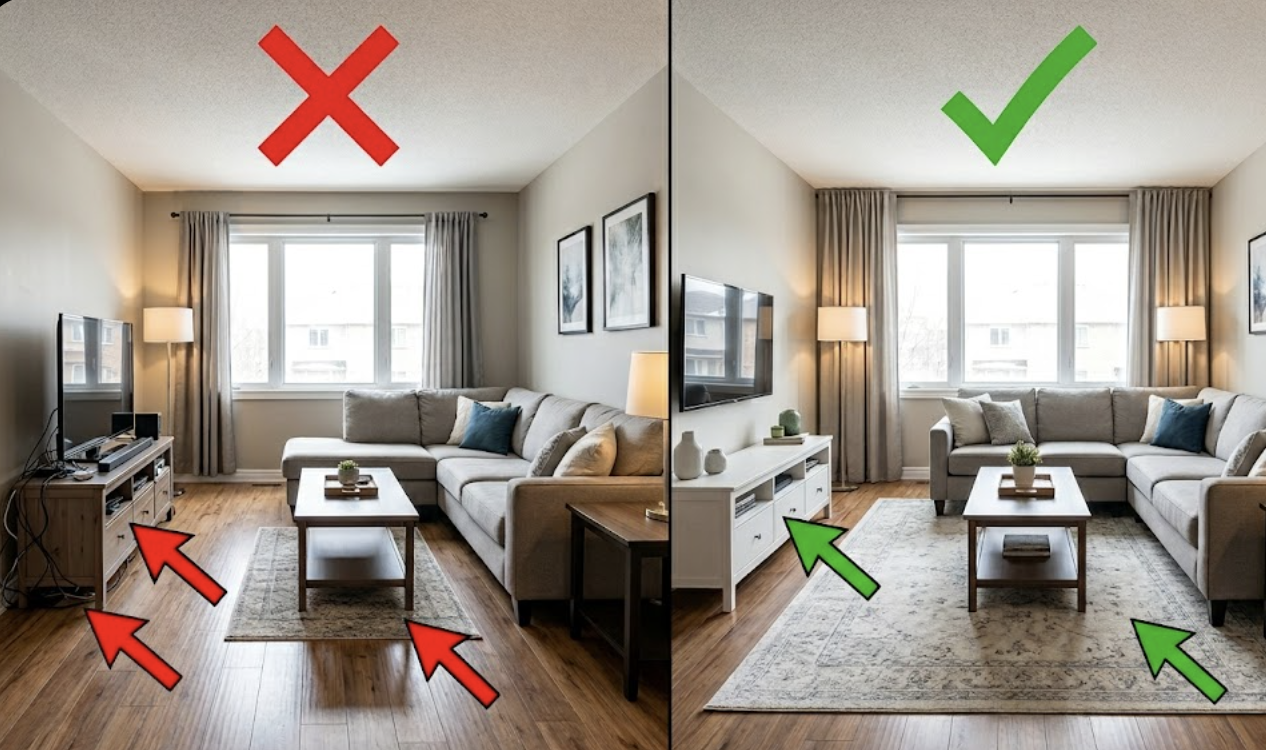
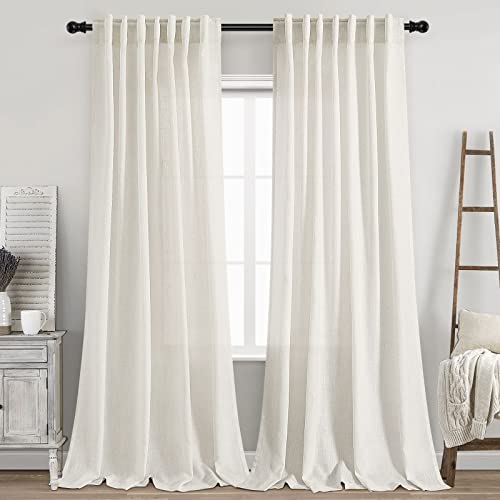
Most people hang curtain rods right above the window frame. It feels logical. It looks like a mistake. Low curtains cut your wall in half visually, make ceilings feel shorter than they are, and shrink the whole room. It’s one of the most common things interior designers fix first, and it costs nothing to correct except the right hardware.
The Fix: Mount the rod 4 to 6 inches below the ceiling. Extend it 10 to 12 inches past each side of the window frame. Use floor-length panels, 96″ or 108″.
I used to think custom drapes were the only way to make my ceilings look taller, but hanging them on an adjustable rod completely transformed my living room for under $50.
A rug that’s too small does something specific and bad. It makes your furniture look like it’s floating. The room reads as unfinished. People buy small rugs because they’re cheaper, but a 5×7 under a full sofa setup is worse than no rug at all. It draws the eye down and makes the whole space feel off.
The Fix: For a living room, go 8×10 minimum. Front legs of every major piece should sit on the rug. Add a rug pad underneath. It’ll keep it from sliding and makes even budget rugs feel expensive.
Builders install the cheapest flush-mount fixtures that pass code. They’re fine for function. They’re terrible for the look of a room. That generic brushed-nickel dome fixture, the one in every bedroom and hallway of every house built in the last 30 years, signals “nothing’s been updated here.” One fixture swap changes a room faster than a gallon of paint.
The Fix: Replace one fixture per room. Start with the dining area or entryway. A statement semi-flush or pendant takes 20 minutes to install and reads like a full renovation.
I finally swapped out the builder-grade “boob light” in my hallway for this exact lighting. It’s also incredibly easy to install yourself:
This one’s invisible until someone points it out, and then you can’t unsee it. Mixing warm and cool bulbs across a room, or running 5000K daylight bulbs in a living space, makes rooms feel clinical, cold, or just slightly wrong. Most people don’t know this is the problem. They just know the room doesn’t feel right.
The Fix: Standardize on 2700K to 3000K warm white LEDs throughout the house. Consistent color temperature is what makes a room feel pulled-together, not the furniture.
Mistake #5: Running Mismatched Hardware Throughout Your Home
Hardware is the jewelry of a room. When it’s random, chrome pulls in the kitchen, brass knobs in the bathroom, oil-rubbed bronze on the doors, the whole house reads as unfinished. People inherit hardware from previous owners or buy whatever’s on the shelf. The result is a home that looks like nobody made a single intentional decision.
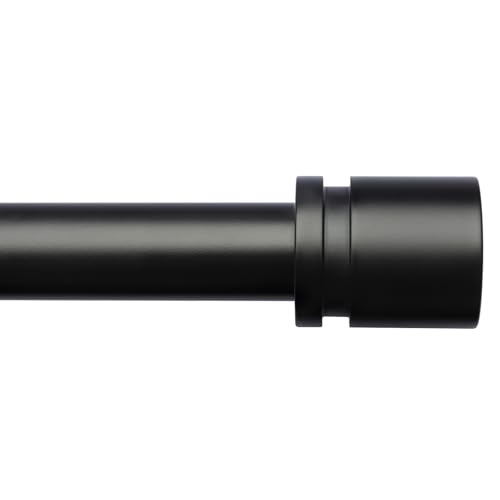
The Fix: Pick one finish, matte black, brushed nickel, or satin brass, and go consistent across cabinets, drawers, and doors in one room at a time. A full kitchen cabinet hardware refresh can run under $80.
I went with the matte black, and it made my doors look incredibly modern and expensive. I never realized how much dingy hardware was dragging down my place! I’m also linking three different color door hinges in case you want one to match your interior:
Paint color gets all the credit. Texture does the actual work. A room with smooth walls, a flat sofa, bare wood surfaces, and zero layering looks like a model unit. Staged, cold, nobody lives here. Texture is what makes a space feel warm and finished without spending more on furniture.
The Fix: Add one woven element, one soft layer, and one rough or organic material. A jute basket, a chunky throw, and a wood tray. That’s the whole formula.
Nobody notices switch plates until they’re wrong. But plastic builder covers, especially the yellowed, cracked, or paint-splattered ones, are one of the things that quietly signal “this house hasn’t been touched in 20 years.” It’s the cheapest fix on this list and one of the highest return-per-dollar swaps you can make.
The Fix: Replace every switch plate and outlet cover with screwless metal versions. A 10-pack runs under $20. The install’s a flathead screwdriver and 5 minutes a plate.
I personally went with the matte black and gold accent plates, and they look unbelievably unique on my walls. I never thought replacing such a simple little thing would add so much character to my interior. I also linked some other incredibly chic finishes I came across that readers are loving:
Making your home look expensive isn’t about spending more money. It’s about fixing the details that quietly signal neglect. Curtain height, rug size, hardware finish, bulb temperature. None of these cost much. All of them matter more than people think. Pick one mistake off this list this weekend. Fix it. Then move to the next one. That’s how a home starts looking like someone made intentional decisions, because you did.
Want more budget home upgrades you can actually pull off yourself? Follow us on Facebook, save this to Pinterest, and tag us on Instagram when you share your before-and-after.
1. What are the most common mistakes that make your home look cheap? The biggest culprits are things most people overlook. Curtains hung too low, rugs that are too small, mismatched hardware, and builder-grade light fixtures that never got replaced. None of these are expensive to fix, but all of them have a visible impact on how a room feels.
2. How can I make my home look expensive on a budget? Start with the details before the big purchases. Upgrading switch plates, standardizing your light bulb color temperature, and adding texture through throws and baskets costs under $100 total and changes how a room reads immediately.
3. Does curtain height really make that big a difference? It’s one of the highest-impact fixes in any room. Hanging curtains at ceiling height instead of window height makes the ceiling feel taller, the window feel larger, and the whole room feel more deliberate. It doesn’t cost anything extra if you’re already buying new curtains.
4. What’s the easiest mistake to fix first if I’m on a tight budget? Switch plates. A 10-pack of screwless metal covers runs under $20, the install takes a flathead screwdriver and about five minutes per plate, and the before-and-after difference is immediate. It’s the lowest effort, highest return swap on this list.
5. Can mismatched hardware really make a home look cheap? Yes, and it’s one of those things people notice without knowing what they’re noticing. Random finishes across cabinets, drawers, and doors read as unfinished. Picking one finish and going consistent across a room makes the space look designed instead of assembled over time.
Hmm. The rug always gets me. What about you? Comment down below.